
Sundarban Crocodile: Life, Behavior, and Human Reality
- Home
- Sundarban Crocodile
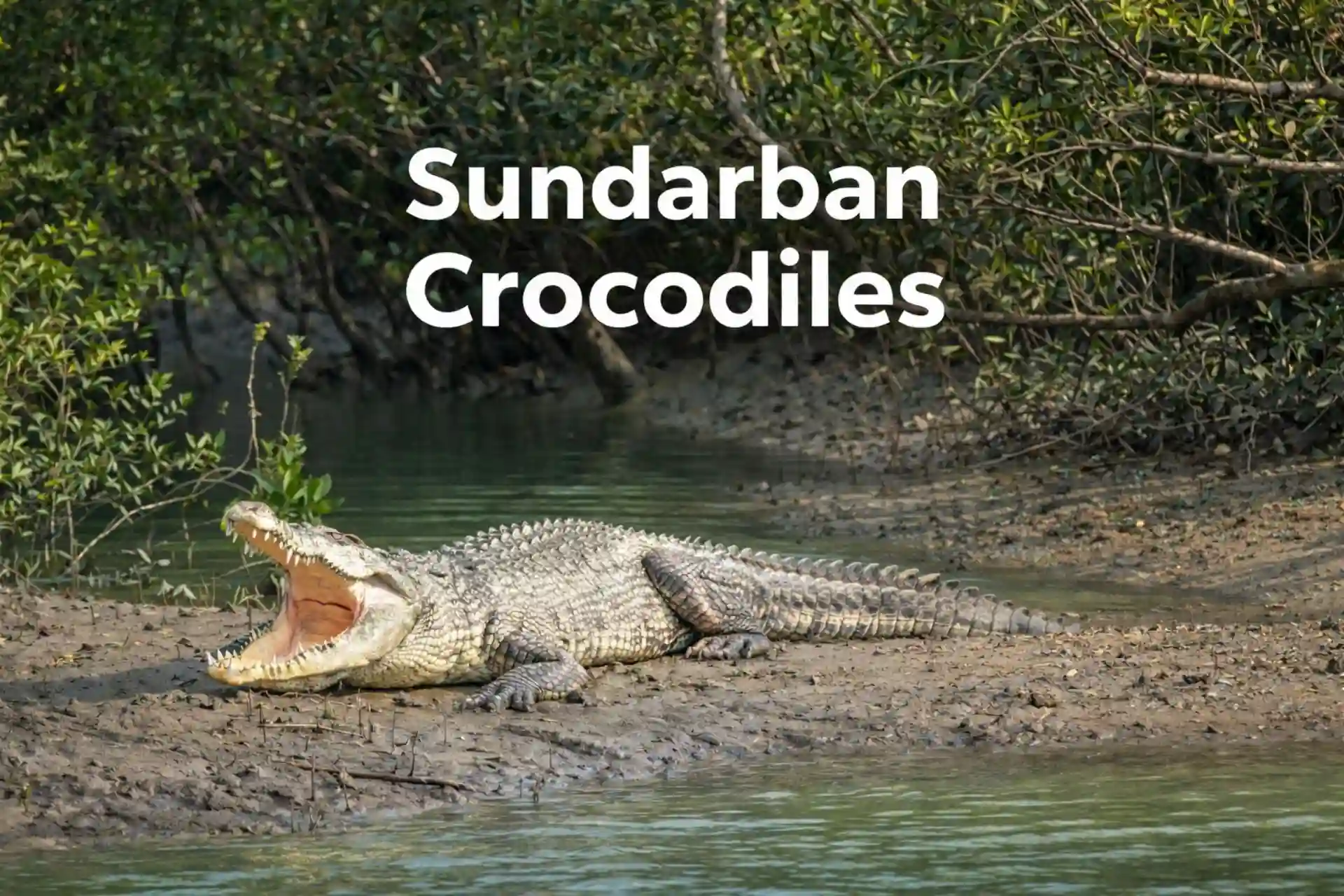
The Sundarban crocodile, also known as the Sundarbans saltwater crocodile, is an importent apex predator of the mangrove ecosystem. Crocodiles in Sundarbans live in creeks and rivers and not threaten tourists. Most Sundarban crocodile attacks involve prawn or crab collectors. These crocodiles help maintain ecological balance and reflect a healthy forest ecosystem.
Overview of Sundarban Crocodile
The Sundarbans is home to the world’s largest reptile—the sundarbans saltwater crocodile. Living in mangrove creeks, rivers, and ponds, these crocodiles play a vital role in maintaining ecological balance. While often misunderstood, crocodiles in Sundarbans rarely pose danger to tourists. Most conflicts occur during livelihood activities like prawn or crab catching. This blog explains real crocodile behavior, attack reasons, safe spotting zones, local beliefs, and conservation facts based on field experience and verified data. Whether you are a tourist, researcher, or local reader, this guide helps you understand the true nature of crocodiles in Sundarban.
About Sundarban Crocodile
The sundarbans saltwater crocodile (Crocodylus porosus) is the largest living crocodile species in the world. It survives in salty and brackish water, unlike freshwater crocodiles found elsewhere in India.
These crocodiles have lived in the Sundarbans for thousands of years and are perfectly adapted to mangrove forests, tidal rivers, and muddy creeks.
Indian Sundarbans: approximately 220–250 saltwater crocodiles
Combined India + Bangladesh Sundarbans: estimated 350–400+ crocodiles
Habitat of Crocodile in Sundarban
Crocodiles in Sundarbans prefer:
Narrow mangrove creeks
Shallow river bends
Mudflats exposed during low tide
Key Zones for Sightings
Sudhanyakhali Watchtower – large crocodiles often seen swimming calmly
Sajnekhali Sanctuary – small crocodiles visible in ponds
Dobanki Creeks – crocodiles spotted during boat safaris
From real tour experience, Sudhanyakhali remains the most consistent crocodile sighting area.
Biology of Sundarbans Saltwater Crocodile
Saltwater crocodiles are cold-blooded reptiles. They depend on sunlight to regulate body temperature.
Key Biological Features
Length: 4–6 meters (some larger)
Weight: 500–1000 kg
Lifespan: 60–70 years
Strongest bite force among reptiles
Their eyes and nostrils sit above the skull, allowing them to stay submerged while watching prey.
Behavior Patterns of Crocodiles
Crocodiles are ambush predators, not active chasers.
Daily Behavior
Stay underwater during heat
Come out during winter sunshine
Move less during daytime
Prefer low tide for basking
Winter Sightings
From winter 2025, crocodile sightings increased significantly. Almost every tourist group spotted crocodiles due to strong sunlight and low tides.
Best Time to Spot Crocodiles
Season | Sightings | Reason |
|---|---|---|
Winter (Nov–Feb) | Very High | Basking during sun |
Summer | Medium | Stay underwater |
Monsoon | Low | Water level high |
Low tide + winter sunlight offers the best chance.
Do Crocodiles Attack Tourists
This is the biggest misunderstanding.
Truth Explained
Crocodiles do not attack tourist boats
Boats are large, noisy, and elevated
Crocodiles always move away from boats
Boat drivers slow down to avoid disturbance
In real experience, crocodiles remain calm and retreat when boats approach.
Sundarban Crocodile Attack Reality
Who Is at Risk
Prawn seed collectors
Crab catchers
People entering shallow creeks
Why Attacks Happen
Working waist-deep in water
Entering narrow creeks silently
Low visibility muddy water
Tourists are not target prey.
Real Incident Awareness
In areas like Jhaukhali, crocodiles were spotted far from core forest zones. After sightings, river access was banned for months as a safety measure—showing how seriously authorities manage risk.
Core Forest vs Buffer Zone
Zone | Tourist Access | Crocodile Presence |
|---|---|---|
Core Area | Not allowed | High |
Buffer Zone | Allowed | Moderate |
Tourism operates only in buffer zones, making safaris safe.
Cultural Belief: Bonbibi and Crocodiles
Local people respect nature deeply.
Bonbibi protects forest users
Kalu Rai is linked to water dangers
Crocodiles are feared but respected
No revenge killing happens
This belief system supports conservation.
Role in Sundarban Ecosystem
Crocodiles:
Control fish, deers population
Clean carcasses from rivers
Maintain mangrove balance
Indicate healthy ecosystem
Without crocodiles, river systems would collapse.
Do’s and Don’ts for Visitors
Do
Stay inside the boat
Follow guide instructions
Observe silently
Don’t
Touch water edges
Feed wildlife
Make loud noises
Crocodiles and Royal Bengal Tiger
Yes, both exist together.
Royal Bengal Tigers dominate land
Crocodiles dominate water
Rare conflicts occur in water
Balance remains natural
This coexistence defines Sundarban’s uniqueness.
Conservation and Monitoring
Authorities use:
Population surveys
Nest protection
Rescue operations
Satellite tagging (Bangladesh side)
Crocodile numbers are rising—a sign of success.
Tourism and Safety Balance
Responsible tourism:
Educates visitors
Supports conservation
Provides livelihood
Reduces illegal forest entry
Guided tours ensure safety for everyone.
Frequently Asked Questions
No. Tourist boats are safe. Crocodiles avoid boats and attacks on tourists are extremely rare.
Sudhanyakhali, Sajnekhali ponds, and Dobanki creeks during winter low tides.
Attacks mainly involve prawn collectors and crab catchers entering shallow creeks silently.
Winter months from November to February during strong sunlight and low tide.
Yes. Saltwater crocodiles are protected under Indian wildlife laws and conservation programs.