
Introduction to Sundarban
Where Is Sundarban Located?
Sundarban is a large mangrove forest in the southern part of West Bengal, India. It lies where the Ganges, Brahmaputra, and Meghna rivers meet the Bay of Bengal. This unique forest spreads across both India and Bangladesh.
What Makes Sundarban Special?
The Sundarbans is famous for its thick mangrove trees, winding rivers, and wild animals. It is home to the Sundarbans National Park, where the famous Royal Bengal Tiger lives. You can also see deer, crocodiles, and many types of birds.
Nature and Wildlife Beauty
Sundarban has muddy islands, calm water canals, and green forests. It is a peaceful place that attracts tourists, nature lovers, and wildlife photographers. The mix of land and water makes it a one-of-a-kind natural area.

Geography and History of Sundarban

Formed by Three Rivers
The Sundarban forest is part of the world’s largest river delta. It was formed by the meeting of three great rivers — the Ganga, Brahmaputra, and Meghna — as they flow into the Bay of Bengal. This river network created many small islands and canals across the region, shaping the land and forest.
Historical and Ecological Value
For hundreds of years, Sundarban has protected the coastal land from storms and high tides. It acts like a natural shield for nearby villages. The forest is rich in biodiversity and supports many animals, including tigers, crocodiles, dolphins, and deer. It’s not just important for wildlife — it’s also a lifeline for local people who depend on fishing, honey, and wood collection.
Why It’s Called “Sundarban”
The name “Sundarban” comes from the Sundari trees, a special kind of mangrove found in this region. “Ban” means forest in Bengali. So, Sundarban means “the forest of Sundari trees.” These trees are salt-tolerant and grow only in this type of land.
UNESCO Site and Biodiversity
Global Recognition in 1987
The Sundarbans National Park was declared a UNESCO World Heritage Site in 1987. It is known for its rich biodiversity and unique mangrove ecosystem. It holds global importance for being the largest tidal halophytic mangrove forest in the world, and it continues to attract scientists, nature lovers, and travelers from around the globe.
Home to Rare Wildlife
The Sundarban is home to over 693 animal species, including Royal Bengal Tigers, estuarine crocodiles, spotted deer, otters, and monitor lizards. It also hosts over 260 types of birds, making it a paradise for birdwatchers. Tourists often spot eagles, kingfishers, and storks near the rivers and canals.
Mangrove Forests and Plants
The forest has 334 plant species, mainly mangroves that survive in salty water. The Sundari tree, after which Sundarban is named, is one of the most important species here. These trees help prevent soil erosion and provide shelter to many animals.

This mix of water, land, and life makes the Sundarbans National Park a living example of nature’s power and balance. Sundarban Forest Department apply some strict forest entry permit rules, to protect the worlds largest mangrove forest.
Wildlife of Sundarban
The Majestic Sundarbans Tiger
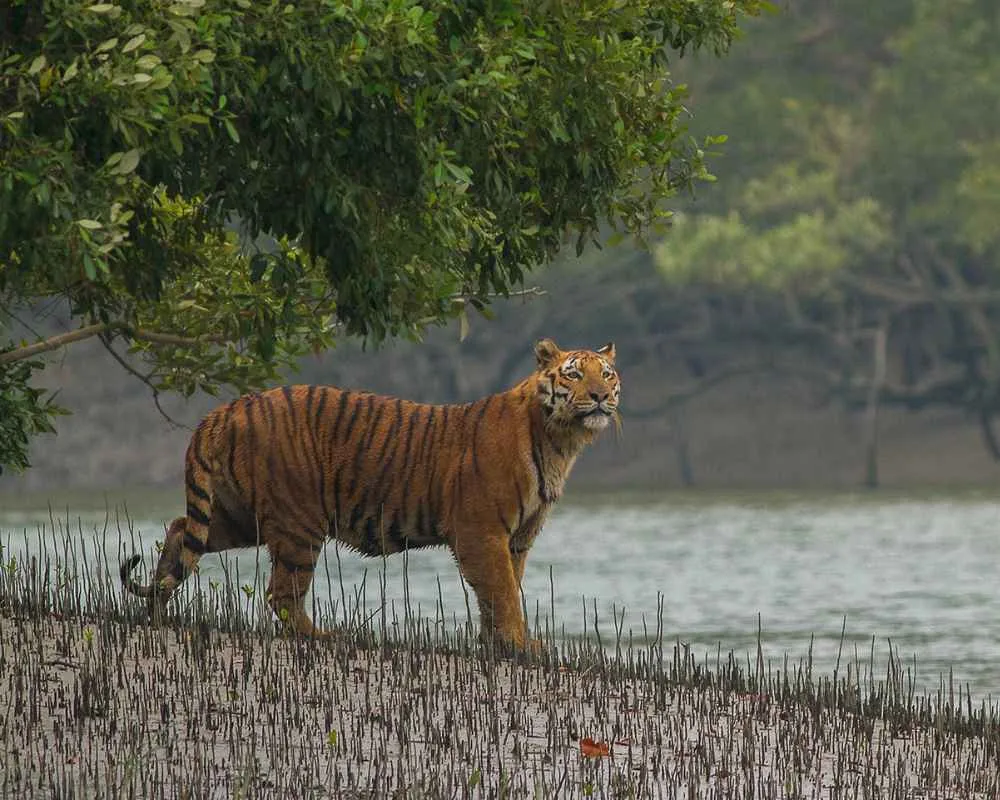
The Sundarbans tiger is the pride of the Sundarban forest. Known for its swimming ability and sharp hunting skills, this Royal Bengal Tiger has adapted to the mangrove life. Spotting one is very rare — often called a once-in-a-lifetime experience. In 2024 winter, one tiger was seen crossing a canal near Pirkhali, thrilling everyone on the boat. During Durga Puja in the same year, another tiger was seen entering Satjelia village and was later guided back into the forest by guards.
Common Wildlife Seen
Tourists frequently spot spotted deer along the riverbanks, especially in the early morning. These deer often come to eat leaves near the banks. Monitor lizards are commonly seen resting or swimming near boats. Estuarine crocodiles are spotted more often in the winter season, basking on mudflats or swimming across canals.
Rare and Cute Creatures
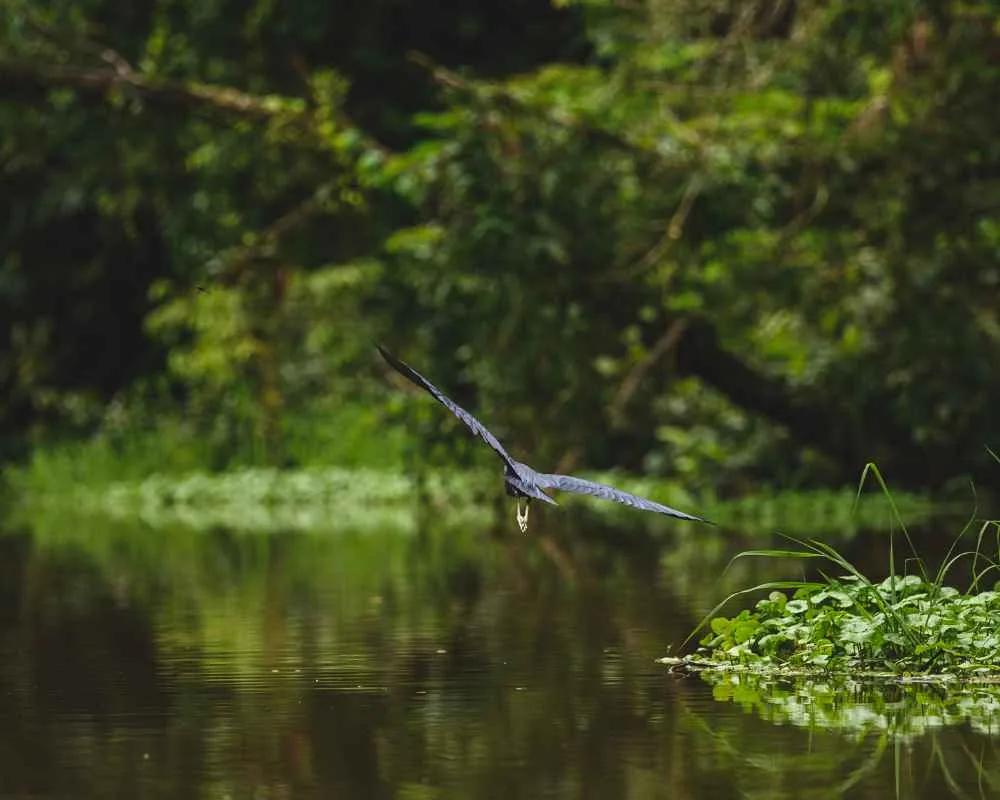
Though rare, sea dolphins are sometimes seen in deeper river channels. Otters, which are shy and playful, also live here but are harder to spot. Bird lovers enjoy the view of herons, kingfishers, and even white-bellied sea eagles around Pakhiralay and forest watchtowers.
The Sundarban forest is not just about tigers—it’s a complete ecosystem filled with wonder, where every boat ride may show something new.
Hidden Spots in Sundarban
Secret Places Worth Exploring
During your Sundarban tour, there are a few hidden places that most tourists miss. These areas lie deep inside the Sundarban forest, where nature remains untouched and wild animals roam freely.
Netidhopani: High Tiger Chance
Netidhopani is one of the oldest forest zones. Only a limited number of boats are allowed daily. This place has one of the highest chances of spotting a tiger during a tour. The ancient temple ruins here also attract those interested in local history.
Burirdabri: Forest Meets Border
Burirdabri is a watchtower where the Indian forest ends, and the Bangladesh side begins. From here, tourists can see across the international border. This spot offers stunning views of the mangrove landscape and is rich in birdlife.

Jharkhali: Human-Wildlife Stories
Jharkhali is famous for many real-life stories. In 2024, a tiger crossed into nearby villages during Durga Puja. Locals and guards worked together to guide it safely back to the forest. It’s a reminder of how close the forest and human lives are here.
These hidden gems are usually visited in longer or customized packages and may require special permission.
Tour Experience – Real Journey

From Canning to Jungle
Our Sundarban tour started from Canning, a small town well-connected by train and bus from Kolkata. From there, we moved towards Gosaba, the entry village where the island journey begins. A motor van took us to the ferry ghat, and from there, the real adventure began on a boat to Pakhiralay.
Pakhiralay Stay & Local Life
At Pakhiralay, we stayed in a local hotel with basic but clean rooms. The area was peaceful, filled with small shops and homestays. Though many think Pakhiralay has a bird zoo, it’s a myth. In reality, it’s a resting spot before entering the forest.
Into the Mangrove Forest
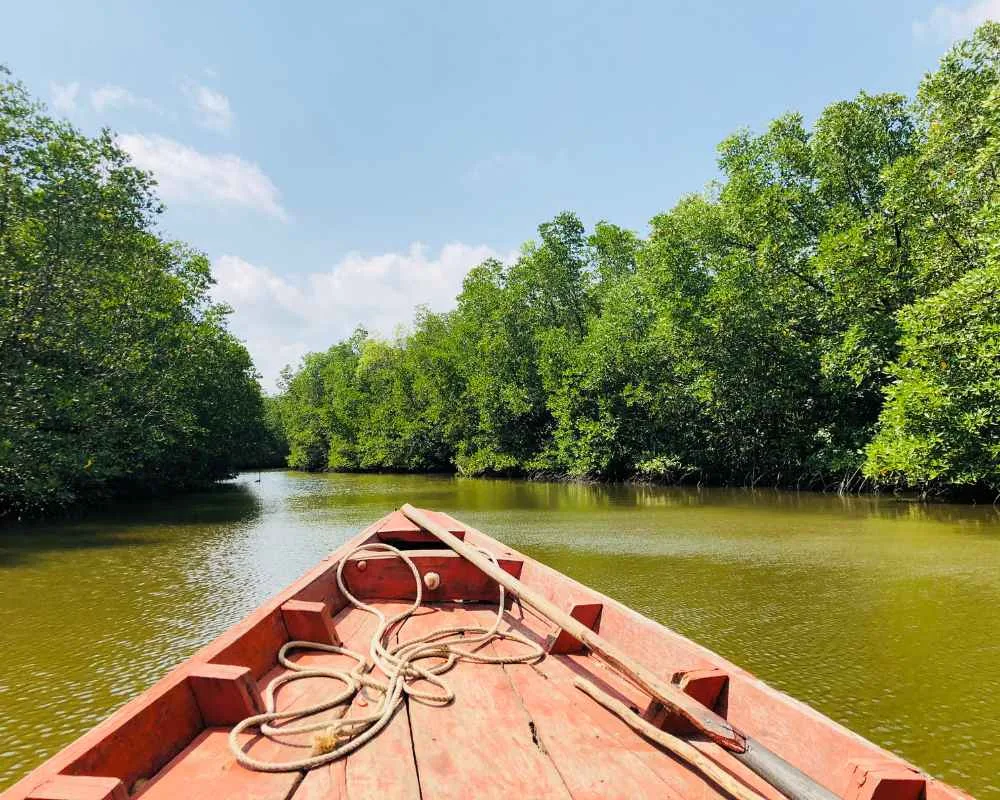
Next day, our boat moved towards Sojnekhali, the official forest entry point. After permit checks, we entered the Sundarban forest. The calm water, green mangroves, and fresh air made the ride unforgettable. We spotted deers by the riverbank, monitor lizards, and countless birds flying around.
Food, Safety & Comfort
Food on the boat was delicious—fish, rice, dal, and vegetables all freshly prepared. The boat was safe, clean, and comfortable, with a friendly guide explaining forest facts. We wore no life jackets as waters were calm and staff were well-trained.
Entry Points and Access
Sojnekhali is the Gate
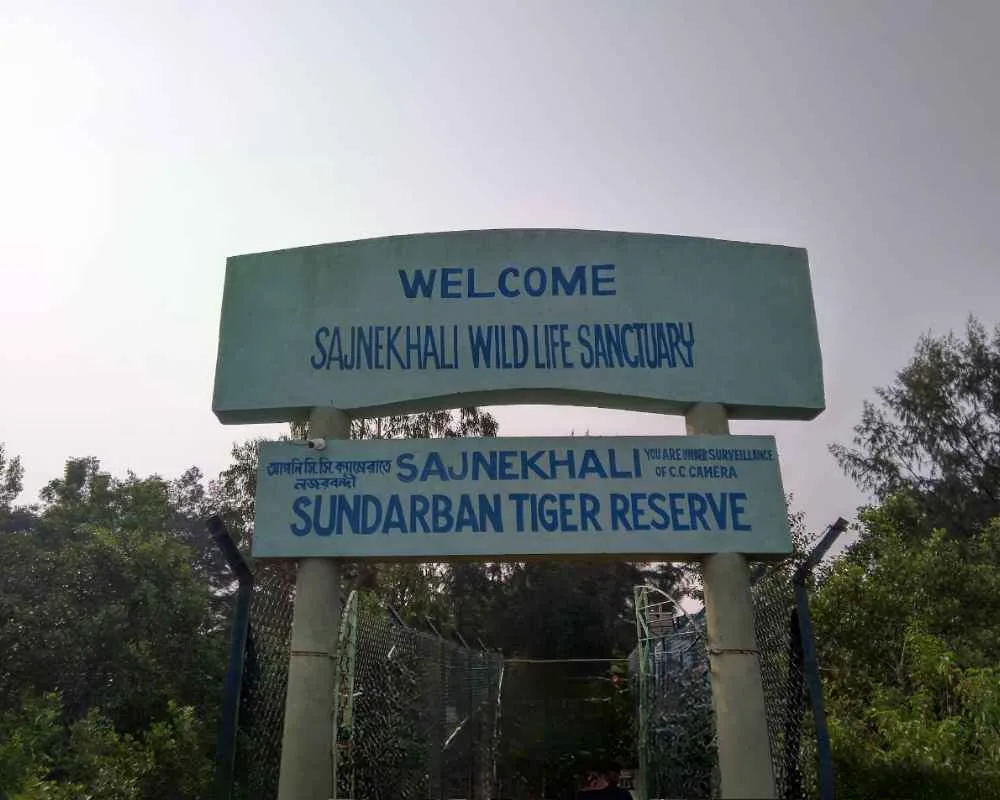
The main entry to the Sundarbans National Park is through the Sojnekhali Watch Tower. This is where forest permits are issued, and it’s the official entry into the protected Sundarban forest areas.
Ferry Ghats Are Not Entry
Places like Godkhali, Sonakhali, and Pakhiralay are commonly confused as entry points. But these are only boat or ferry boarding ghats. From these spots, tourists travel to Sojnekhali to begin the jungle safari.
How to Reach Easily
You can reach Canning by train or bus from Kolkata. From Canning, shared vehicles go to Sonakhali (16 km, ~30 mins) or Godkhali (28 km, ~1 hour). Then, take a boat to reach your hotel or the park entry.
Permit and Forest Fees
Entry to Sundarban forest is regulated. Indian tourists pay ₹180/day, foreigners ₹1000/day. A guide is mandatory—₹800/day for Indians and ₹2000/day for foreigners. Permits are issued only at Sojnekhali forest office.
Myths and Misconceptions

Tiger Spotting Is Rare
A common myth is that every Sundarban tour guarantees a tiger sighting. In reality, tiger sightings are very rare—less than 0.1% of visitors actually see one. Most tourists spot deer, crocodiles, or birds, not tigers.
No Bird Zoo at Pakhiralay
Many believe Pakhiralay has a bird zoo. That’s not true. It’s just a hotel zone where tourists stay before entering the jungle. Birds can be seen near riversides, but there’s no official zoo.
Boat Superstitions Exist
Locals often believe that doing Chandi Puja on the boat keeps tigers away. While it’s a tradition followed by some boatmen, it’s a belief—not a safety method. Forest safety rules and trained guides are what truly protect travelers.
Local Life and Struggles
Life Depends on Forest
People living near the Sundarban forest depend on nature for survival. They collect honey, firewood, and fish from deep inside the forest, often risking their lives.
Constant Risk of Attacks
Every year, villagers face tiger and crocodile attacks while working in dangerous areas. Many still enter the forest out of need, not choice, as these resources are their only income.
Farming with Courage
Locals also grow rice and potatoes in nearby lands. Even these farms are close to tiger zones, especially near places like Satjelia, where wild animals sometimes enter villages.

Hilsa Festival in Sundarban

Celebrated July to September
The Hilsa Festival is one of the most joyful events during the Sundarban tour, held between July and September. It celebrates the arrival of fresh Hilsa fish in local rivers.
Folk Dance and Songs
Tourists enjoy traditional Jhumur dance and Baul songs on the boat during the festival. The music and dance create a beautiful cultural experience under the open sky.
Tasty Hilsa Delicacies
Various Hilsa dishes like bhapa ilish, sorshe ilish, and fried ilish are served on the boat. Many agencies, including ours, host this event for guests during monsoon tours.
Why Book a Travel Agency
Manual Planning Is Tough
Planning a Sundarban tour alone can be difficult. You’ll need to arrange forest permits, boat booking, local guide, food, and hotel—all by yourself. It becomes confusing and time-consuming, especially for first-time visitors or families.
Agencies Make It Easy
Tour agencies handle everything for you—from hotel booking to boat safaris, forest entries, meals, and transport. You simply enjoy the tour without stress.
Trusted Help with Every Step
A trusted travel agency like Sundarban Mondal Travels ensures safe, well-managed, and enjoyable tours. Group tours, private boats, and photography tours are also available. Booking through experts saves you from all the local hassle.

Shared vs Private Tour
Shared Tour: Budget-Friendly Travel
Shared tours, our most popular 3 Days 2 Nights Sundarban Tour are perfect for budget travelers. You’ll travel with 30–40 people on a common boat, sharing rooms, meals, and guide services. It’s ideal for solo travelers, students, or small friend groups looking for an affordable Sundarban tour.
Pros: Low cost, group fun, all-inclusive
Cons: Less privacy, fixed schedule
Private Tour: Comfort and Flexibility
Private tours offer a customized experience. You get your own boat, private rooms, and personalized timing. It’s best for families, senior citizens, and wildlife photographers who want peace, flexibility, and comfort.
Pros: Privacy, flexible plans, quiet safari
Cons: Higher cost, needs advance booking
How to Reach Sundarban
From Kolkata to Canning
Take a local train from Sealdah to Canning—trains run frequently and take about 1.5 hours. It’s the most convenient route to start your Sundarban tour from Canning.
Shared Vehicles to Ghats
From Canning station, shared autos or trekkers go to Sonakhali (16 km, 30 mins) and Godkhali (28 km, 1 hour). These are popular boat boarding points.
The journey is simple, budget-friendly, and perfect for both solo and group travelers. Most tourists begin their adventure this way.

FAQs About Sundarban Tour
Do I need a permit to enter Sundarban forest?
Yes, entry to Sundarbans National Park requires a government permit, which is usually arranged by your tour agency.
Can I see a tiger during my Sundarban tour?
Tiger sightings are extremely rare, less than 0.1%. It’s a matter of pure luck.
Is Sundarban safe for tourists?
Yes, Sundarban tours are completely safe when organized by experienced travel agencies with proper boats and guides.
What kind of hotels are available in Sundarban?
You’ll find both AC and non-AC hotels in Pakhiralay and nearby areas. Budget and premium options are available.
Is mobile network available in Sundarban?
Mobile network is weak or absent deep inside the forest. In market areas like Gosaba and Pakhiralay, you may get limited coverage.
Are ATMs available in Sundarban?
No, ATMs are not available in forest zones. Please withdraw cash from Canning or Kolkata before your journey.
Can I travel Sundarban without a travel agency?
Technically yes, but managing boats, permits, food, and hotels is very difficult without one.
Is food included in tour packages?
Most Sundarban tour packages include all meals—breakfast to dinner—prepared on the boat or at the hotel.
Conclusion: Why Visit Sundarban
Nature, Culture, and Adventure Mix
Sundarban is a perfect blend of raw nature, rich culture, and thrilling adventure. From exploring the Sundarbans National Park to enjoying local food and music, every moment is unforgettable. It’s a safe, educational, and truly unique travel experience for families, students, and wildlife lovers.
Let the beauty of Sundarban forest leave you amazed—book your tour with a trusted agency like Sundarban Mondal Travels to enjoy a smooth and worry-free journey.