
Sajnekhali Wildlife Sanctuary
- Home
- Sajnekhali Wildlife Sanctuary
Sajnekhali Wildlife Sanctuary is the main gateway to the Sundarbans mangrove forest. It houses the forest headquarters, watch tower, mangrove research center, and permit office. Ideal for learning, birdwatching, and understanding Sundarbans ecology, Sajnekhali offers safe, informative wildlife exposure for all visitors.
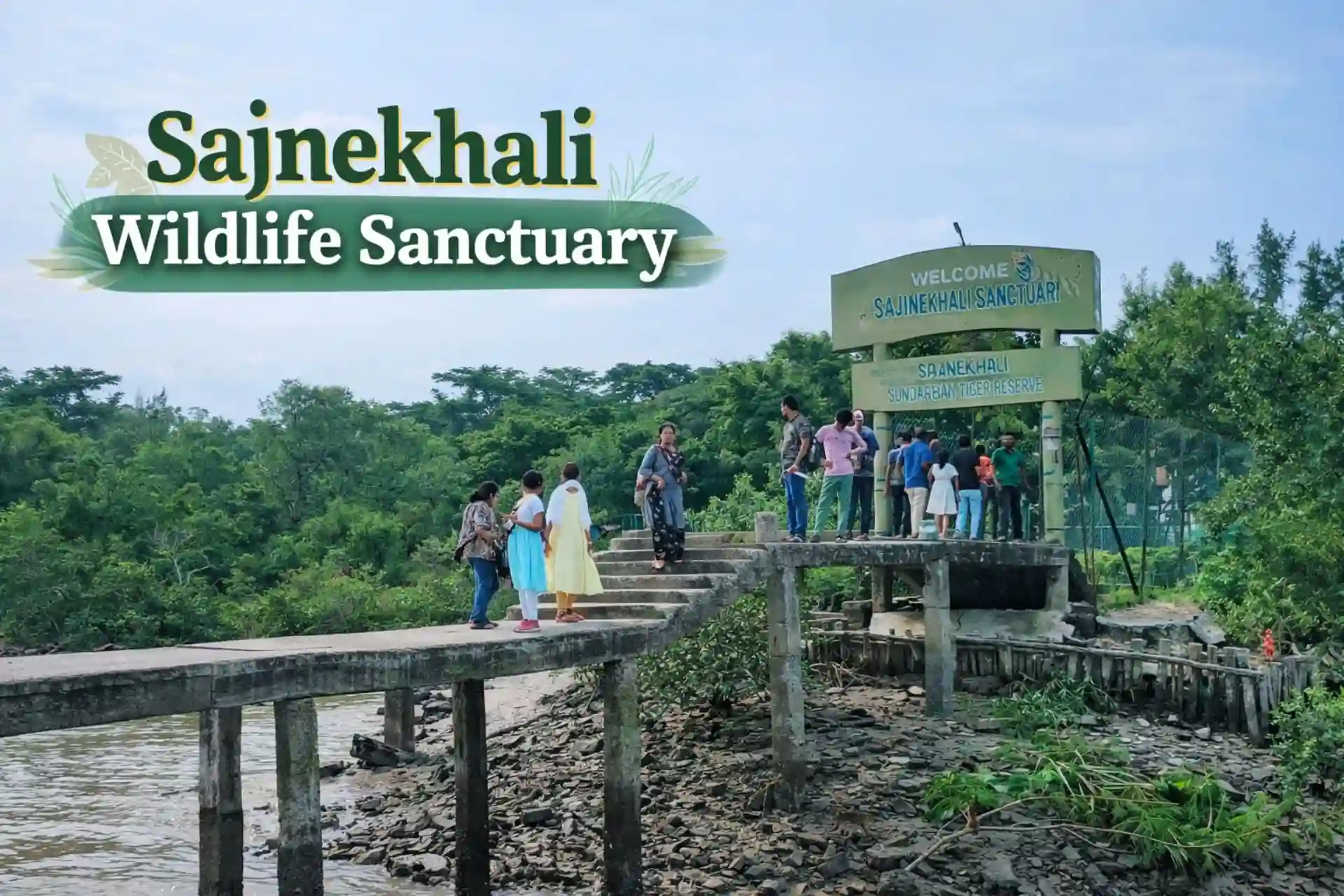
Overview of Sajnekhali Wildlife Sanctuary
Sajnekhali Wildlife Sanctuary is one of the most important and educational locations inside the Sundarbans. Located deep within the mangrove forest, it serves as the main administrative headquarters of the Sundarbans, managing forest permits, guides, conservation research, and tourism operations.
Unlike other watch towers that focus mainly on wildlife sightings, Sajnekhali offers a complete overview of the Sundarbans ecosystem, making it ideal for first-time visitors, students, researchers, and families. The entire area is secured with iron fencing, allowing tourists to explore safely while learning about mangroves, wildlife, and forest protection systems.
What Makes Sajnekhali Special
Sajnekhali is not just a tourist stop—it is the heart of Sundarbans operations. Every tourist boat entering the forest passes through Sajnekhali for official procedures.
Key highlights include:
Forest permit and guide allocation
Mangrove research and interpretation center
Large and elevated watch tower
Wildlife information boards and posters
Safe walking zone inside forest fencing
This makes Sajnekhali Wildlife Sanctuary a learning-focused destination, rather than only a sightseeing spot.
Location and Forest Setting
Sajnekhali is situated at the confluence of the Matla and Gomdi rivers in South 24 Parganas, West Bengal. It lies within the buffer zone of the Sundarban Tiger Reserve, acting as a controlled access point between human activity and core forest areas.
The sanctuary is surrounded by dense mangrove forest, tidal creeks, and river channels, offering visitors a real feel of the Sundarbans without entering high-risk zones.
Sajnekhali Forest Office Explained
Main Headquarters Role
The Sajnekhali Forest Office is the central command for Sundarbans forest management. All activities—tourism, conservation, research, and enforcement—are coordinated from here.
Key responsibilities:
Issuing forest entry permits
Assigning government-approved guides
Monitoring tourist boats
Managing wildlife research programs
Coordinating rescue and safety operations
Every Sundarban safari officially begins after clearance from this office.
Sajnekhali Watch Tower Experience
Personal Insight from Multiple Visits
The Sajnekhali Watch Tower is one of the tallest and safest watch towers in the Sundarbans. A full-day visit gives better visibility compared to short stops.
What you can see:
Vast stretches of Sundarbans forest
River channels and mudflats
Spotted deer at a distance
Monkeys moving around the area
Small crocodiles near water bodies
Rare turtle species inside ponds
Tiger sightings here are very rare, but the tower offers excellent long-range forest views, making it perfect for understanding the landscape.
Mangrove Interpretation and Learning Center
One of the strongest reasons to visit Sajnekhali is its Mangrove Interpretation Center. This section explains:
Different mangrove tree species
Sundarbans wildlife behavior
Tidal system and river flow
Food chain and ecosystem balance
Conservation challenges
Large posters, charts, and visual displays make it a mini classroom inside the forest, especially useful for students and nature lovers.
Wildlife You Can See Here
Not Just Tigers
Although Sajnekhali is part of the Sajnekhali Tiger Reserve buffer area, its strength lies in biodiversity, not tiger frequency.
Common sightings include:
Rhesus macaques
Spotted deer
Water monitor lizards
Small saltwater crocodiles
Rare freshwater and estuarine turtles
Migratory and resident birds
Bird lovers often spend extra time here due to the open visibility and safe walking space.
Why Tigers Are Rare at Sajnekhali
Sajnekhali is heavily managed and fenced for safety. Tigers generally avoid such zones due to:
Human presence
Administrative activity
Boat movement
This controlled environment is intentional—it allows education and safe tourism while protecting both people and wildlife.
Safety Design and Iron Fencing
One unique feature of Sajnekhali Wildlife Sanctuary is its iron fencing system. This prevents tigers from entering visitor areas while allowing tourists to:
Walk safely
Take photos
Read wildlife boards
Spend time without fear
This design makes Sajnekhali Wildlife Sanctuary ideal for families and elderly travelers.
Best Time to Visit Sajnekhali
Seasonal Visibility Table
Season | Experience |
|---|---|
Nov – Feb | Best visibility, birds active |
Mar – May | Hot but educational visits |
Jun – Sep | Limited access due to tides |
Winter months provide the clearest views, cooler weather, and active wildlife movement.
How Tours Include Sajnekhali
Sajnekhali is included in almost all Sundarban tour packages as it is mandatory for permits and guide allocation.
Guests usually visit Sajnekhali as a day excursion while staying at:
Pakhiralay
Dayapur
Dulki
Tour boats stop here before entering deeper forest zones.
Role of Guides at Sajnekhali
At Sajnekhali, tourists meet government-approved forest guides who stay with the boat throughout the safari.
Common safety instructions:
No shouting or loud noise
Do not stand suddenly on boats
Follow guide instructions strictly
No plastic or littering
Silence increases wildlife sightings—noise makes animals retreat.
Educational Value of Sajnekhali
Sajnekhali is often described as a visual introduction to the Sundarbans. Visitors understand:
Mangrove survival techniques
Animal behavior
Conservation importance
Human-wildlife balance
This knowledge enhances the rest of the safari experience.
Sajnekhali vs Other Watch Towers
Feature | Sajnekhali | Sudhanyakhali | Dobanki |
|---|---|---|---|
Learning focus | High | High | Medium |
Safety | Very high | High | High |
Tiger chance | Very rare | Moderate | High |
Walking area | Yes | Limited | Canopy |
Responsible Tourism Importance
Sajnekhali promotes responsible Sundarbans tourism:
Controlled entry
Education before exploration
Wildlife protection priority
This reduces conflict and preserves the ecosystem.
Why First-Time Visitors Should Not Skip Sajnekhali
Skipping Sajnekhali means missing:
Forest understanding
Wildlife context
Permit formalities
Official guidance
It is the foundation of a meaningful Sundarbans experience.
For travelers who want to experience Sajnekhali Wildlife Sanctuary properly, choosing an experienced operator matters. Sundarban Mondal Travels includes Sajnekhali in all Sundarban tours, manages forest permits through the Sajnekhali Forest Office, and ensures trained guides accompany guests throughout the safari.
Frequently Asked Questions
Yes. The area is fenced, guided, and monitored, making it one of the safest Sundarbans locations.
Tiger sightings are very rare here due to administrative activity and fencing.
It is the main forest office, permit center, and educational hub.
A half-day to full-day visit gives the best learning and visibility.
Yes. Safe walking paths and controlled access make it ideal.